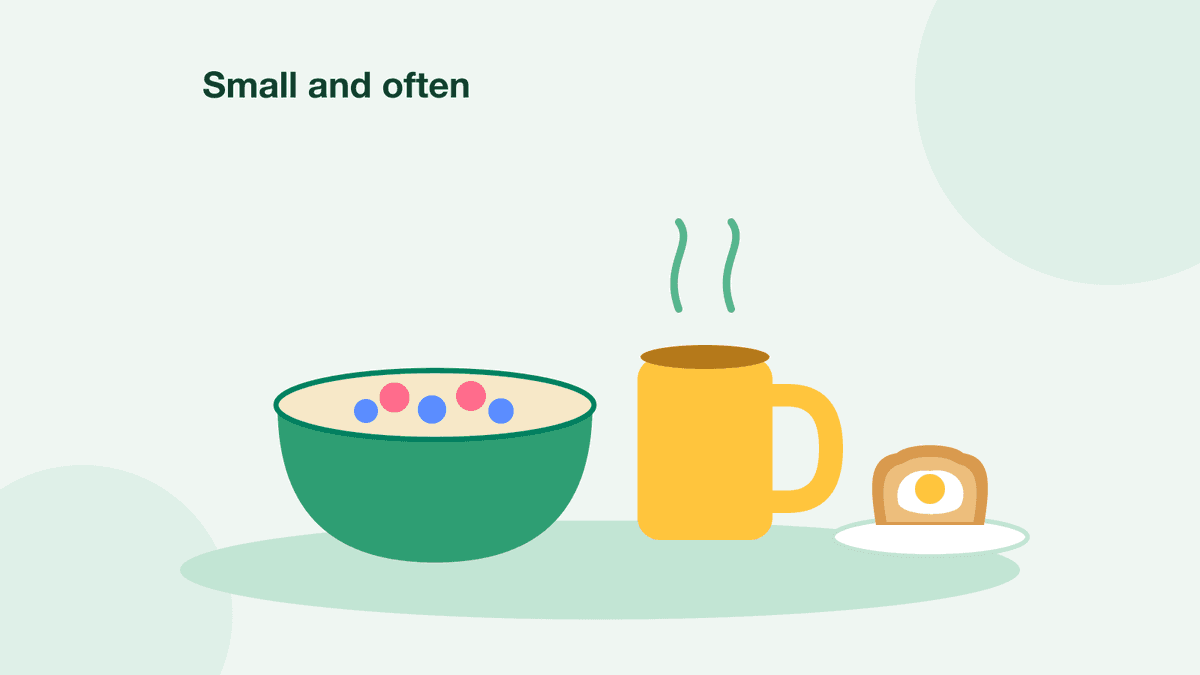
On Mounjaro (tirzepatide), try small meals at regular times instead of long gaps, with protein at each one, and keep drinking through the day. When your appetite is low, soft and plain foods are often easier: yoghurt, porridge, soup and eggs on toast. Spicy, fatty or fried food, big meals and alcohol can make side effects worse. That's from the British Dietetic Association's 2026 guide and NHS advice.
If your Mounjaro (tirzepatide) prescription came with very little advice about food, this guide is for you. Standing in the kitchen wondering what you're supposed to eat now is a very ordinary place to be.
It's built on the British Dietetic Association's 2026 guide for people taking these medicines, NHS advice and the UK Mounjaro leaflet. No calorie counting and no meal plan to follow to the letter. Just what tends to help, in foods you'll find in a UK supermarket.
Why eating feels different on Mounjaro
Mounjaro makes you feel fuller and less hungry, and it slows how fast food leaves your stomach. So you feel full sooner and stay full for longer. The leaflet also lists a changed sense of taste as an uncommon side effect, so if food doesn't taste the way it did, that may be why.
None of that is a problem in itself. As the British Dietetic Association (BDA) puts it, you may eat smaller meals than before, but it's still important to eat and drink regularly to help your body get what it needs.
The basics
The short version, from the BDA's guide:
- Regular meals, even small ones. Try to avoid long gaps between meals, even if your portions are smaller. If you're not very hungry, try a smaller plate.
- Protein at every meal: fish, chicken, eggs, beans, lentils, tofu or dairy. Protein and some strength activity help keep your muscles strong.
- Carbohydrates and vegetables or fruit too, at every meal. Higher-fibre choices like wholegrain bread, brown rice and wholewheat pasta help keep you regular.
- Foods with calcium each day, like milk, yoghurt, tofu or cheese, for your bones.
- Enough to drink, through the whole day.
When nothing sounds good
Feeling less hungry is how the medicine works, but some days it goes further. Nothing sounds good, and a meal feels like a chore. What may help, from the NHS and the BDA:
- Smaller, more frequent meals, eaten slowly.
- Regular sips of a cold drink, or ginger or peppermint tea. Ginger biscuits count.
- Keeping away from strong-smelling food, and from cooking it if you can.
- If a meal feels too big, starting with the protein.
- Drinking separately from eating, rather than having a large drink with your meal.
- Staying upright for a while after you eat.
- If you're finding it hard to eat, telling your prescriber. The BDA says to do that straight away, and they can tell you whether anything about your treatment should change.
Easier foods, from drinkable to a small plate
Drinkable
Milk, a smoothie made with milk or yoghurt and fruit, soup, ginger or peppermint tea
Spoonable
Yoghurt, cottage cheese, porridge, overnight oats, daal
Soft
Eggs on toast, a banana, wheat biscuits with milk, fish
A small plate
Fish or chicken with soft-cooked veg and rice, a small jacket potato with tuna or cottage cheese
Examples, not a plan. Start wherever your appetite is today. Several come from the BDA's meal ideas, which also swap meat or fish for beans, lentils, tofu or eggs.
Injection day and dose increases
There's no special injection-day diet. The leaflet says you can use your pen at any time of the day, with or without meals.
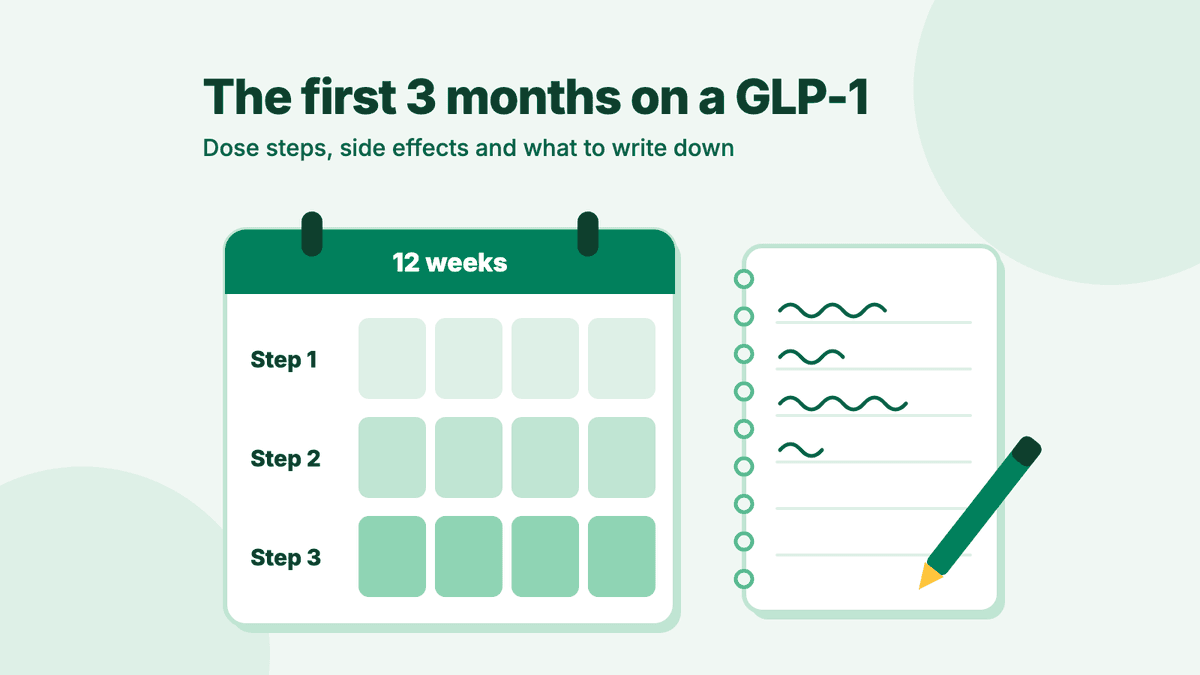
What matters more is where you are in your treatment. The BDA says side effects are common when you start and when your dose goes up, and that they can change through the week, especially after a weekly injection. If you know which days tend to be hard, it helps to have easy food in the house for them.
What can make side effects worse
No food is off limits on Mounjaro. But some can make a queasy day worse, and they're what people usually mean by "foods to avoid".
From the BDA and the NHS
What can make a queasy day worse
Big meals
The NHS suggests smaller, more frequent meals when you feel sick, and the BDA suggests three small meals a day.
Fried, greasy or high-fat food
The NHS says not to eat hot, fried or greasy food when you feel sick, and the BDA says high-fat foods can upset your gut.
Spicy food
The BDA lists it alongside high-fat foods, and says to go by whether it makes you feel unwell.
Alcohol, sugary drinks and fizzy drinks
The NHS says it's best to avoid alcohol while using tirzepatide. The BDA suggests limiting or avoiding all three.
If you notice a food is making you feel unwell, the BDA suggests having less of it or swapping it for something else. Reflux is a listed side effect too. The NHS says common triggers include coffee, tomatoes, alcohol, chocolate and fatty or spicy foods, and suggests not eating within 3 or 4 hours of bed.
Constipation and diarrhoea
Constipation and fibre
Constipation is very common on Mounjaro when it's used for weight management. The first steps are fluids and fibre from food, added gradually. The NHS suggests porridge, wholewheat cereal, wholemeal bread, potatoes with their skins on, and fruit such as apples, apricots, grapes, raspberries and strawberries. Adding some wheat bran, oats or linseed can help too. If changing what you eat isn't enough, ask a pharmacist.
Diarrhoea
The NHS says the most important thing is to have lots of fluids, in small sips if you feel sick. Eat when you feel able to, and it may help to avoid fatty or spicy foods. Fruit juice and fizzy drinks can make it worse. If it won't go away, contact your doctor or pharmacist, because losing fluids can affect your kidneys.
Drinking enough
The leaflet doesn't give an amount, but it says it's important to avoid dehydration by drinking plenty of fluids. The BDA's guide suggests aiming for 1.5 to 2 litres a day, typically about 8 glasses, and more if you're exercising or it's a hot day.
From the BDA and the UK leaflet
Drinking enough, in practice
Between meals, if you're not hungry
The BDA says it's better to drink separately from eating when your appetite is low.
What to drink
Water, and caffeine-free or low-sugar drinks, are best.
Can't keep fluids down?
Contact your doctor or pharmacist, or call 111.
Protein without counting
The BDA's guide is clear on this: you don't need to weigh your food or use an online protein calculator. Try to have protein-rich foods at your three meals each day. If a meal feels too big, start with the protein, so it doesn't get left behind when you fill up fast.
Easy options when your appetite is low include eggs, yoghurt, milk, fish, chicken, tofu, and beans or lentils. If you can, add some strength activity. Eating enough protein and keeping active can help limit the amount of muscle you lose, and it can be as simple as sitting down and standing up from a chair.
Keeping track without numbers
Writing things down doesn't have to mean counting. A few words a day is enough to spot the pattern: which days were hard, what went down easily, how the week after a dose increase felt. It also gives your prescriber something real to look at.
When to get help
From the UK leaflet and the NHS
When to stop, call or get help
Severe stomach pain that won't go away
With or without feeling or being sick, and it can spread to your back. Stop using Mounjaro and get urgent medical help: call 111, or 999 if it's an emergency. It can be a sign of pancreatitis.
Signs of a serious allergic reaction
Breathing problems, rapid swelling of your lips, tongue or throat, difficulty swallowing or a fast heartbeat. Get medical help right away. Call 999 if you need to.
Being sick or diarrhoea that won't go away
Contact your doctor or pharmacist, or call 111. Losing fluids can lead to kidney problems.
Signs of gallbladder problems
Severe tummy pain can be a sign of gallstones or a swollen gallbladder, which are both listed side effects. Call 111.
And if you're due to have surgery under anaesthetic, tell your doctor that you use Mounjaro.
The BDA also says that not feeling hungry can seem good but can hide bigger problems with disordered eating, and that these medicines aren't appropriate if your eating habits are disordered in any way.
Frequently asked questions
What should I eat on Mounjaro when I'm not hungry?
What foods should I avoid on Mounjaro?
What should I eat on injection day?
Can I drink alcohol on Mounjaro?
How much water should I drink on Mounjaro?
Do I need to count calories on Mounjaro?
Why do I feel sick after eating on Mounjaro?
Can I drink coffee on Mounjaro?
Do I need vitamins or supplements on Mounjaro?
General information, not medical or dietary advice. If you have diabetes, kidney problems or a history of an eating disorder, ask your care team or a registered dietitian what's right for you. The BDA says Novo Nordisk and Eli Lilly helped fund its resources and had no input into them. For the volume in each pen, see the UK mL and units chart.
View sources (13)
- British Dietetic Association. Medications for obesity: a guide to eating and living well, February 2026, review date 2027
- British Dietetic Association. Meal ideas to help you eat well while taking medications for obesity
- Mounjaro KwikPen patient leaflet, last revised August 2026 (emc)
- Mounjaro KwikPen SmPC, text revised 29 August 2026 (emc)
- NHS. Tirzepatide, last reviewed 15 May 2026
- NHS. Feeling sick (nausea), last reviewed 17 November 2023
- NHS. How to get more fibre into your diet, last reviewed 2 March 2026
- NHS. Constipation, last reviewed 26 October 2023
- NHS. Diarrhoea and vomiting
- NHS. Heartburn and acid reflux, last reviewed 20 November 2023
- NHS. The Eatwell Guide, last reviewed 29 November 2022
- British Heart Foundation. Protein: how much do you need?
- Beat (UK): helplines