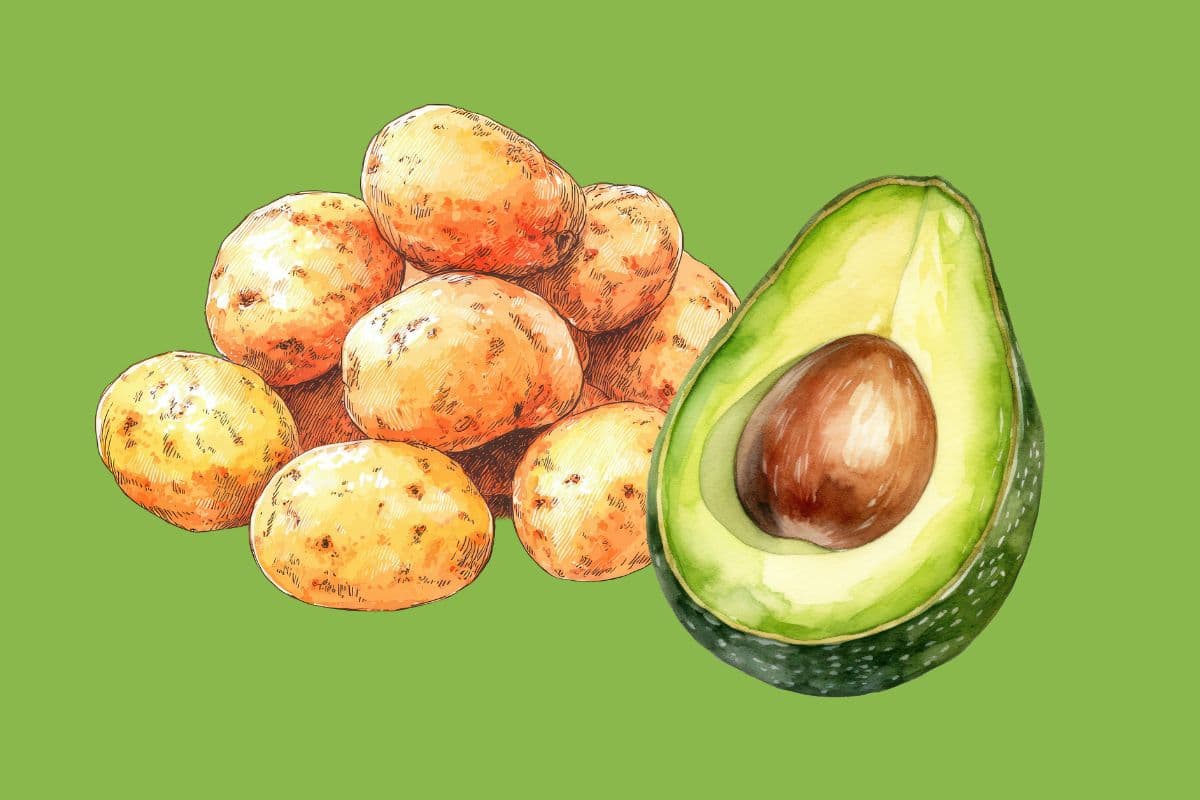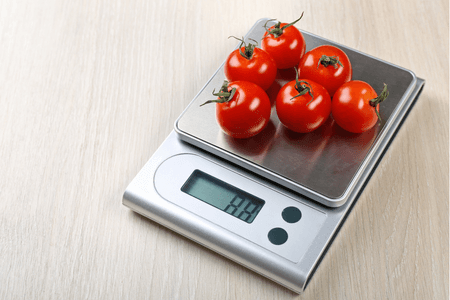
I've tracked my food for years, and I only worked this out recently while air-frying potatoes. Raw, they weighed about 200g. After cooking they'd shrivelled to roughly 100g, because most of the water had gone. That changes everything about how you log them. The calories didn't disappear with the water. They got packed into a smaller weight.
Quick answer: weigh food rawwhen you can, and log it raw. Cooking moves water in or out and can add oil, so the same food has different calories per 100g depending on how it's cooked. If you can only weigh it cooked, say the method (for example "150g roast potatoes").
Why cooking changes the calories
It comes down to two things: water and fat. Calorie figures are tied to a weight, usually per 100g. When you cook something, that weight changes. Boiling and steaming push water in. Roasting, frying and air frying drive water out. And anything cooked in oil picks up extra calories on the way.
So "100g of potato" isn't one number. It depends entirely on what happened in the pan.
The two directions it goes
This is the bit that trips people up, because cooking can push the calories per 100g either way.
Foods that soak up water (pasta, rice, oats, dried beans)
These swell as they cook, so the cooked food weighs more than the raw food. That means 100g cooked has fewer calories than 100g raw. If you weigh cooked pasta but log it against a raw figure, you massively over-count.
Foods that lose water (meat, and roasted or fried potatoes and veg)
These shrink as they cook, so the cooked food weighs less and the calories get concentrated. 100g cooked has morecalories than 100g raw. This is the air-fried potato problem: you log 100g thinking it's a light, raw-ish number, when really it's a dense, cooked one. You quietly under-count, and over weeks that's the difference between maintaining and creeping up.
The biggest offenders
Rough reference values, per 100g, to show how big the gap is. Your exact figures will vary by brand and recipe.
| Food | Raw / dry (100g) | Cooked (100g) | What happens |
|---|---|---|---|
| Pasta | ~355 kcal | ~155 kcal | Soaks up water, gets lighter per 100g |
| White rice | ~360 kcal | ~130 kcal | Soaks up water, gets lighter per 100g |
| Oats | ~370 kcal | ~70 kcal (with water) | Soaks up a lot of water |
| Potato (boiled) | ~77 kcal | ~87 kcal | Little change |
| Potato (roast/air-fried) | ~77 kcal | ~150 kcal+ | Loses water, gains oil, gets denser |
| Chicken breast | ~106 kcal | ~165 kcal | Loses water, gets denser |
Notice the pattern. Carbs that absorb water get lighter per 100g when cooked. Meat and roasted/fried foods get heavierper 100g. Same word, "potato", very different calories.
Don't forget the oil
Roasting, frying, air frying and sautéing usually mean oil, and oil is about 9 calories a gram. A tablespoon is roughly 120 calories. That's why a boiled potato and a roast potato aren't the same food, even before you account for the water. If you cook with oil, it counts, even the bit that coats the tray.
What about frozen food?
Frozen veg is the same idea with one twist. Take your 300g of frozen peas that come out at about 200g after the microwave. The peas didn't lose calories, they lost water and surface ice. The calories just got packed into a smaller weight, so cooked they're a bit denser per 100g.
The easy way through it: weigh frozen veg straight from the bag and log the frozen weight. Packs show calories per 100g of the product as sold, which is the frozen weight, so the numbers line up. If you only weigh it after cooking, log it as cooked. Just don't weigh it cooked and log it against the frozen or raw figure, or you'll come up short.
For peas the gap is small because they're low calorie to begin with. Where it really bites is frozen food that's roasted or fried, like frozen chips or roast potatoes, where you get the water loss and the oil together. And the good news: frozen veg is usually frozen at its peak, so it's every bit as good for you as fresh.
The simplest habit
Weigh it raw, log it raw. That's the most consistent way to track, and it sidesteps the whole problem. Weigh your pasta dry, your potatoes before they go in, your chicken before it hits the pan.
When that's not practical (someone else cooked, or it's already on the plate), just be specific about the method: "150g roast potatoes", "200g cooked rice", "120g grilled chicken". The method is what tells the calories apart.
How Healthcount handles it
Healthcount keeps separate figures for different cooking methods, so "boiled potatoes" and "roast potatoes" are logged as the different foods they are. When you don't say how something was cooked, it makes a sensible, slightly cautious assumption rather than the lightest possible one, so it won't quietly under-count you. You can always add the method, and it'll use that instead.
Track it without the maths
Type your food in plain English and Healthcount handles the macros. Add the cooking method and it adjusts.
Try Healthcount freeFAQs
Should I weigh food raw or cooked?
Raw, whenever you can, and log it raw. It's the most consistent. If you can only weigh it cooked, name the cooking method.
Does the database assume raw or cooked?
It depends on the food. That's exactly why naming the method (or weighing raw) matters. Healthcount keeps separate values per method and errs slightly cautious when the method isn't given.
How do I weigh frozen vegetables?
Weigh them frozen, straight from the bag, and log the frozen weight. That matches the calories on the pack (per 100g as sold). If you weigh them after cooking, log them as cooked, since they lose water and get a little denser.
Is this really enough to affect my weight?
Over one meal, no. Over months of logging cooked-weight carbs as raw, or dense roasted food as light, yes. Small daily gaps are what turn maintenance into slow regain.