The reputation
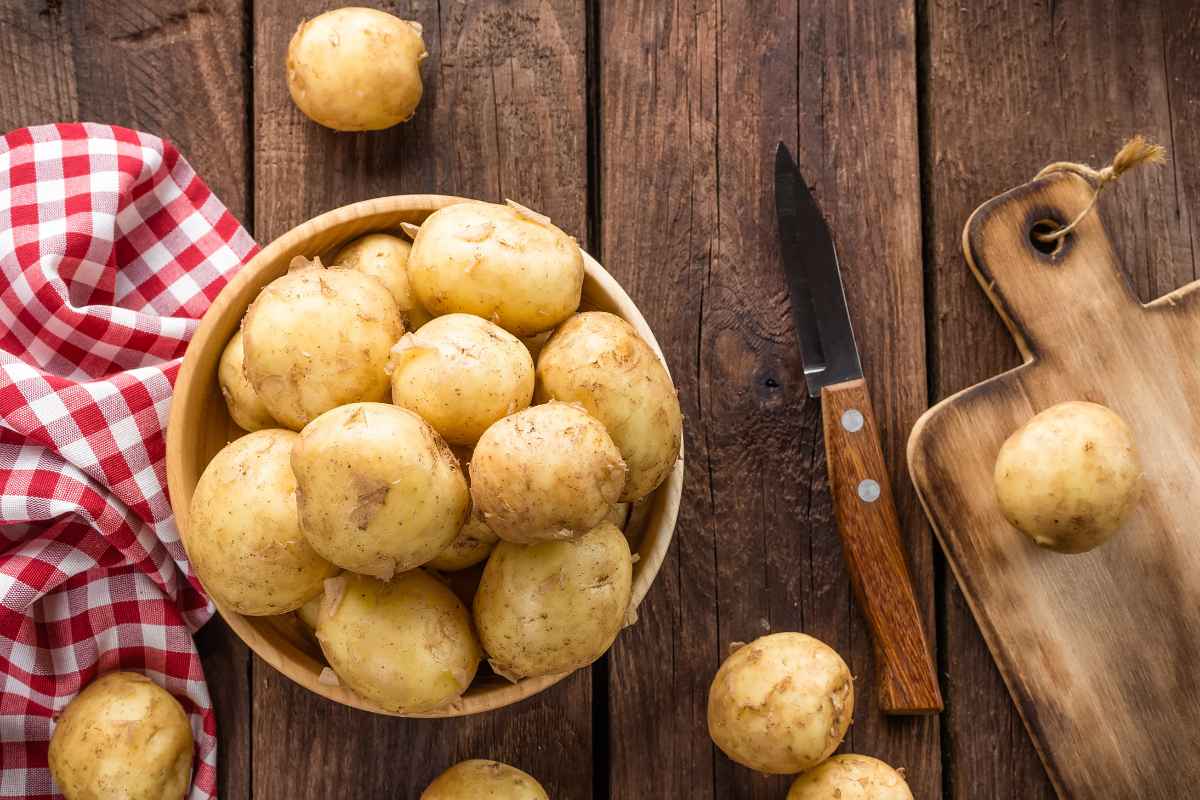
Somewhere along the way, potatoes joined the naughty list. White carbs, high GI, the thing you push to the side of the plate when you're being good. I believed it for years, and I wasn't alone: potatoes are probably the most avoided whole food in every weight-loss forum I've read. Carbohydrate as a whole gets the same suspicion, and why your body needs carbs and fat makes the wider case.
Then I read the actual research, and it says something close to the opposite.
The most filling food ever tested
In 1995, researchers fed people 38 different foods in 240-calorie portions and measured how full each one kept them over the next two hours. The result is the satiety index, and its winner has never been dethroned: boiled potatoes scored 323% of white bread, the most satiating food ever measured, roughly three times as filling as the same calories of bread and beating rice, pasta, eggs and steak (Holt et al., 1995).
It makes sense once you see the numbers. A plain boiled potato is about 87 kcal per 100g, mostly water and starch with a decent scrap of fibre, potassium and vitamin C (CoFID). You get a lot of plate, and a lot of stomach-stretch, per calorie. For anyone managing appetite, that is exactly the property you want.
The kitchen maths
Here is where the reputation comes from. Same plant, different preparation, per 100g:
- Boiled potato: about 87 kcal
- Mashed with butter and milk: about 110 kcal
- Roast potatoes: about 150 kcal
- Chips: roughly 200 to 270 kcal depending on the cut and the fryer
- Crisps: about 530 kcal
Frying doesn't just add fat calories. It removes water, which shrinks the portion weight, concentrates the energy, and quietly deletes the fullness advantage. A boiled potato is hard to overeat; a sharing bag of crisps eats itself. Six-fold calorie difference, same vegetable.
So why the bad name?
Because the studies that damned potatoes mostly measured the fried forms. The famous Harvard analysis of long-term weight gain found potato products at the top of the food list, and the biggest links were with crisps and chips (Mozaffarian et al., NEJM 2011). The headline became "potatoes cause weight gain". The data said "fried potato products, eaten the way we actually eat them, cause weight gain". Those are different sentences.
Science is impartial about this: the plant was never the problem. The kitchen, and the portion patterns that come with each preparation, were.
The cold potato bonus
One more genuinely interesting wrinkle: when you cook potatoes and let them cool, some of the digestible starch re-forms into resistant starch, which your small intestine can't break down. It behaves more like fibre, feeding gut bacteria instead of turning up as glucose (Birt et al., 2013). Potato salad with a yogurt dressing, or last night's boiled potatoes reheated, carries a modestly better profile than the same potato served fresh and hot.
Keep it in perspective: it's a fine-tune, not a loophole. A cold chip is still a chip.
How to actually eat them
- Boiled, baked or steamed as the default. Skin on for the fibre. These forms carry the satiety advantage.
- Watch what rides on them. Butter, cheese and mayonnaise change the maths faster than the potato does. A baked potato with cottage cheese or tuna is a genuinely filling, high-protein meal.
- Keep the fried forms occasional and portioned, because that is where the 2011 data actually points.
If you log "200g boiled potatoes" in Healthcount, the maths comes back at about 174 kcal, and you'll be full for hours. That's not a bad food. That's a bargain. For the same logic applied to your cooking method, read should you weigh food raw or cooked.
View sources (4)
- Holt et al., A satiety index of common foods. European Journal of Clinical Nutrition, 1995
- Mozaffarian et al., Changes in diet and lifestyle and long-term weight gain in women and men. New England Journal of Medicine, 2011
- Birt et al., Resistant starch: promise for improving human health. Advances in Nutrition, 2013
- Composition of foods integrated dataset (CoFID), the UK's official food composition tables