MyFitnessPal is the app everyone starts with. It's been around since 2005, the database is enormous, and half of America has logged a chicken breast in it at some point. But if you've landed here, you probably already know the catch: the free tier shows ads, the features that make logging fast now cost $19.99 a month, and the database is so crowded with user-submitted entries that finding the right one can take longer than eating the meal.
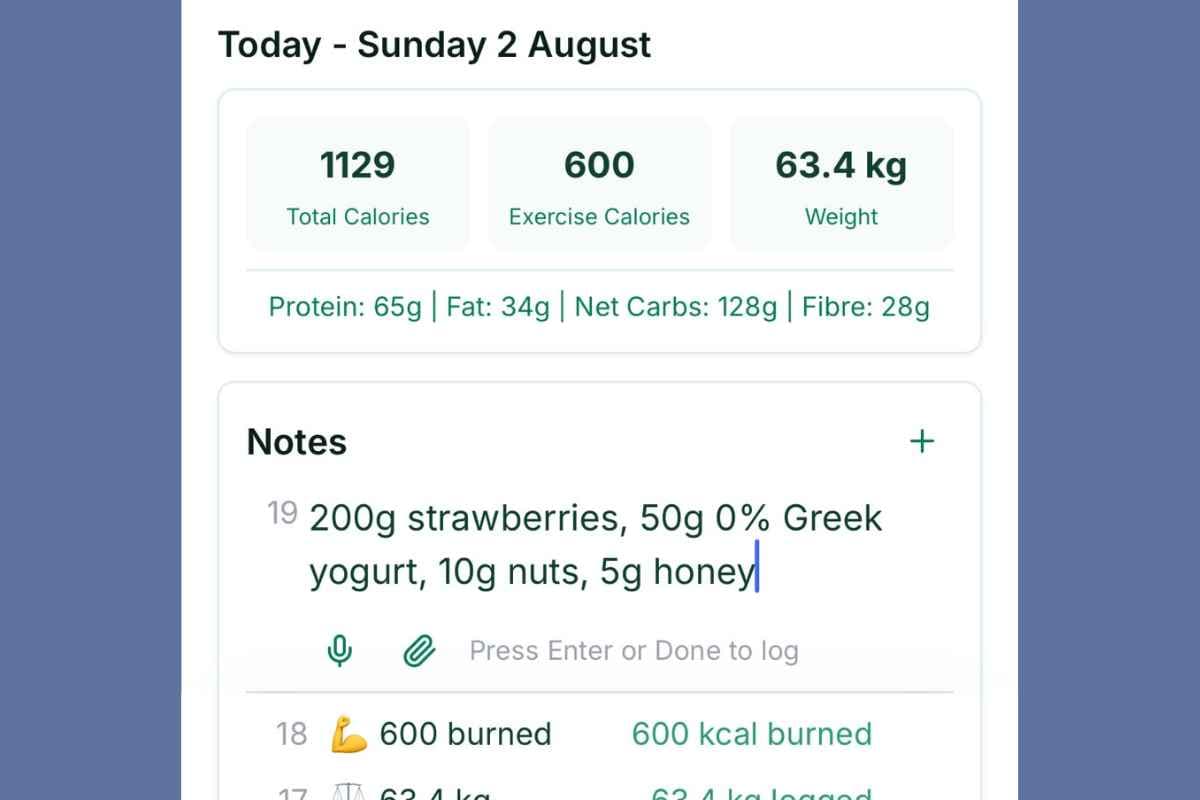
Quick answer: Healthcount is a free, ad-free alternative to MyFitnessPal with calorie and macro tracking, AI meal photo logging, and GLP-1 dose and supply tracking for Zepbound, Wegovy, and Foundayo. There's no Premium tier because nothing is held back.
Below is an honest look at where MyFitnessPal still wins, where it doesn't, and how the two compare if you're on a GLP-1 medication.
Note: prices and features in this article are accurate as of July 2026 and both apps change often, so double-check before you subscribe to anything. This is general information, not medical advice.
What MyFitnessPal gets right
Credit where it's due. MyFitnessPal's food database is one of the largest anywhere, with over 20 million entries covering tens of thousands of brands and hundreds of US restaurant chains. If you ate it at a Chili's in the last decade, someone has probably logged it.
The ecosystem is strong too. It syncs with most fitness trackers and apps, the recipe importer is genuinely useful, and there's a big community. And because so many people have used it, the interface feels familiar even if you haven't opened it in years.
If all of that is working for you and the ads don't bother you, honestly, you don't need to switch. This article is for the people it stopped working for.
Where it falls short
Ads on the free plan
The free tier is ad-supported, and an "ad-free logging experience" is one of the features MyFitnessPal lists as a reason to buy Premium. For an app you open several times a day, that friction adds up.
The paywall crept up on everyone
Barcode scanning was free for years. In October 2022 it moved behind Premium, and the backlash was loud enough to make national tech news. Meal Scan (photo logging) and voice logging are Premium features too. The pattern: manual search stays free, and every faster way to log costs money.
Big database, noisy database
Big is not the same as accurate. MyFitnessPal's own help pages explain that the database mixes verified entries with user-submitted ones, and most entries are submitted by users and never reviewed. In practice that means scrolling past six versions of the same yogurt with six different calorie counts, trying to guess which one is real. Verified entries exist (look for the green check mark), but they're a minority.
GLP-1 support arrived late and thin
To its credit, MyFitnessPal added free GLP-1 Support for US users in April 2026. It covers medication, dose, injection site, timing, and reminders, and there's side effect tracking, though that started as iOS-only. It's a reasonable start. It's also a feature bolted onto a calorie counter, rather than an app built around the GLP-1 journey. More on that below.
What Premium actually costs
US pricing as of July 2026:
| Plan | Price | What you get |
|---|---|---|
| Free | $0 | Manual food search and logging, with ads |
| Premium | $19.99/month or $79.99/year | No ads, barcode scan, meal scan, voice logging, custom macros, fasting tracker |
| Premium+ | $24.99/month or $99.99/year | Everything in Premium plus a meal planner |
To be fair, $79.99 a year is not outrageous for something you use every day. The question is whether you should have to pay it to scan a barcode or snap a photo of your lunch. We don't think so, which is why Healthcount's answer to the pricing table is one row: everything, free.
Try the free version of everything
Macro tracking, AI meal photos, weight trends, and GLP-1 dose logging. No ads, no Premium tier, no app download.
Sign up freeHealthcount vs MyFitnessPal
| Feature | Healthcount | MyFitnessPal |
|---|---|---|
| Price | Free, every feature | Free with ads; Premium $19.99/month |
| Ads | None | On the free tier |
| Calorie and macro tracking | Free | Free |
| AI meal photo logging | Free | Meal Scan needs Premium |
| Natural-language logging | Free | Voice logging needs Premium |
| Barcode scanning | Not yet (on the roadmap) | Premium |
| GLP-1 dose logging | Free | Free since April 2026 (US) |
| Medication supply countdown and refill reminders | Free | No |
| Side effect tracking | Free, any device | iOS at launch |
| Works in any browser | Yes, phone or desktop | App-first; barcode and meal scan are app-only |
| Data export | Free | File export needs Premium |
One thing we won't pretend: Healthcount doesn't have barcode scanning yet. If scanning packages is the core of how you log, MyFitnessPal Premium does that well. What we offer instead, for free, is photo logging and plain-English input. Type "two eggs and toast with butter" or snap a photo of the plate, and the app works out the rest.
The GLP-1 angle
About 1 in 8 US adults has taken a GLP-1 medication at some point, according to KFF polling. If you're one of them, your tracking needs change. It's no longer just calories in. It's which dose you're on, how long you've been on it, how many doses are left in the refrigerator, and whether the nausea this week lines up with the step-up last week.
MyFitnessPal's GLP-1 Support handles the basics: log the shot, set a reminder. Healthcount is built around the whole journey:
- Supply tracking. Healthcount counts down your remaining pens, vials, or tablets and reminds you before you run out. If you buy through LillyDirect self-pay, this matters in actual dollars: refills have to land inside a 45-day window or the discounted price reverts to a much higher rate.
- The dose ladder. See which dose you're on, how many weeks you've been there, and when you're eligible to step up, so you're not reconstructing your history from memory at your next appointment.
- Pills as well as injections. The US now has two daily GLP-1 pills: the Wegovy pill (25 mg oral semaglutide, FDA-approved December 2025) and Foundayo (orforglipron, approved April 1, 2026). A missed daily pill is much easier to lose track of than a missed weekly shot, which makes a simple daily log more useful, not less.
- Everything on one screen. Doses, food, weight trend, and side effects together, with no ads next to your nausea log.
Quick naming note, because it trips people up: tirzepatide for weight loss is branded Zepbound in the US. The same molecule is sold as Mounjaro in the UK for weight loss, so ignore any "Mounjaro weight loss" advice written for a British audience. In the US, Mounjaro is the type 2 diabetes brand.
Who should switch (and who shouldn't)
Switch to Healthcount if:
- You're on a GLP-1 and want doses, supply, food, weight, and side effects in one place instead of two or three apps.
- You're tired of paying $19.99 a month for logging conveniences that used to be free.
- You want to log from a laptop, an Android phone, or any browser without downloading anything.
Stick with MyFitnessPal if:
- Your routine depends on barcode scanning and you're happy paying for Premium.
- You log a lot of chain-restaurant meals and lean on that database daily.
- You have years of history there, deep device integrations, and it all still works for you.
No hard feelings either way. The best tracker is the one you'll actually open tomorrow.
FAQs
Is Healthcount actually free?
Yes. Every feature is free, with no ads and no Premium tier. We make money from optional employer programs, not from paywalling your food diary.
Does MyFitnessPal still show ads on the free plan?
Yes. The free tier is ad-supported, and removing ads is one of the things Premium sells.
Doesn't MyFitnessPal track GLP-1 medications now?
It does, as of April 2026, and that part is free for US users. It covers medication, dose, injection site, and reminders, with side effect tracking on iOS at launch. Healthcount adds supply countdowns, refill reminders, and a dose ladder view alongside your food and weight data.
Does Healthcount have barcode scanning?
Not yet. It's on the roadmap. In the meantime, AI meal photos and natural-language logging are both free, and for mixed meals like a homemade stir-fry they're often faster than scanning three packages anyway.
Which GLP-1 medications can Healthcount track?
Zepbound and Wegovy injections, plus the daily pills: the Wegovy pill (oral semaglutide) and Foundayo (orforglipron). You can log doses, side effects, and remaining supply for each.
Do I need to download an app to use Healthcount?
No. Healthcount runs in any browser on iPhone, Android, tablet, or desktop. Log from your laptop at lunch and your phone at dinner; it's the same account either way.
One calm dashboard for your whole journey
Weight, food, doses, and side effects in one place. Free, and no app download needed.
Get started freeView sources (10)
- MyFitnessPal Premium plans and features, myfitnesspal.com
- Understanding MyFitnessPal's food database and logging accuracy, MyFitnessPal blog
- Where does MyFitnessPal get its food data, MyFitnessPal Help
- MyFitnessPal moves barcode scanning behind Premium, Digital Trends, 2022
- GLP-1 Support, MyFitnessPal Help
- MyFitnessPal launches comprehensive GLP-1 Support, press release, April 2026
- KFF Health Tracking Poll, May 2024: the public's use and views of GLP-1 drugs
- Zepbound self-pay terms and conditions (45-day refill window), LillyDirect
- FDA approves Novo Nordisk's Wegovy pill, Novo Nordisk press release, December 2025
- FDA approves Lilly's Foundayo (orforglipron), Eli Lilly press release, April 2026