Healthcount Weekly · November 24, 2026
Thanksgiving on a small appetite
Big meals can be hard on these medicines, and Thanksgiving is on Thursday.
This week in 30 seconds
- Eat a little earlier, take a small plate, and sip water.
- Dreading the photos? Write the worry down, then test it.
- Alcohol may make nausea and reflux worse. Keep it low.
There's no new safety news this week, so this one's all about the holiday itself.
Note how the big meal felt, in your free journal →
Thanksgiving this week
A big meal on a small appetite
These medicines slow how fast your stomach empties. So a big plate can sit heavily, especially in your first weeks and after a dose goes up.
Vomiting is more likely after large meals, says a 2025 advisory from four US medical and nutrition groups. Some ideas:
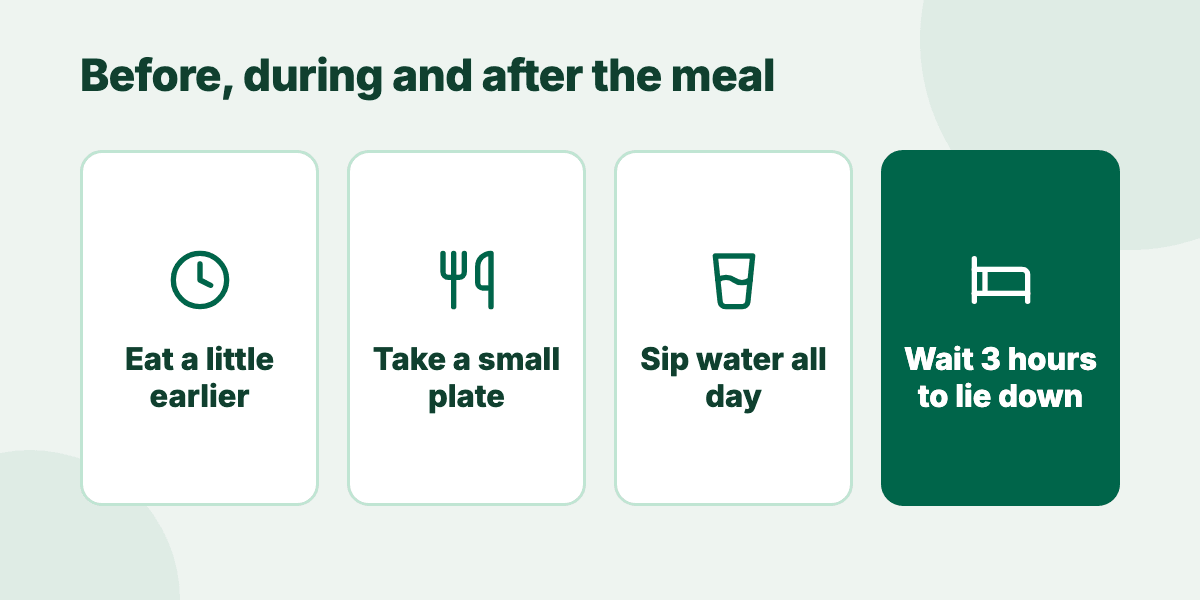
1. Don't save up all day. Eat a little earlier, so you don't arrive very hungry.
2. Take a small plate of what you love most. You can go back.
3. Sip water through the day.
4. Heartburn when you lie down? Finish eating at least 3 hours before a nap or bed.
Nausea, vomiting or diarrhea that won't go away? Tell your doctor, prescriber or pharmacist right away. Losing fluids can lead to kidney problems.
How you feel
Dreading the photos? Test the worry
A 2026 review in the journal Body Image called for more body image support on these medicines.
Skipping the photo, or the whole gathering, brings relief. But the worry never gets tested, so it stays.
A free workbook for body dysmorphia, from Australia's Centre for Clinical Interventions, suggests an experiment:
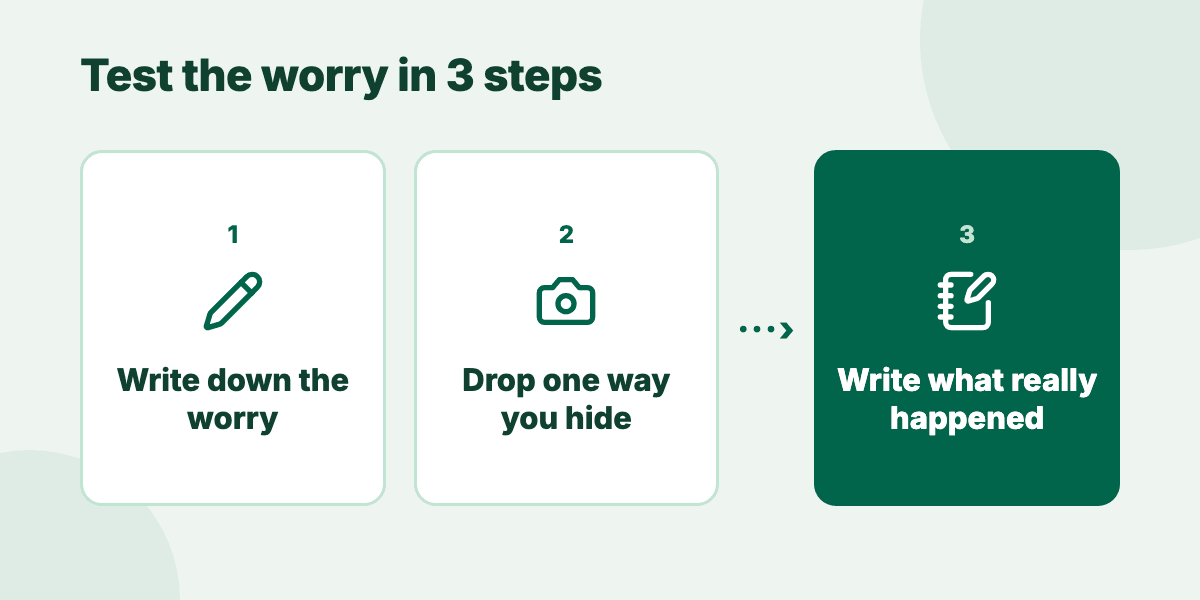
1. Write down what you think people will do or say.
2. Drop one thing you'd usually do to hide. Stand in the photo, not behind everyone.
3. Afterward, write down what they really did and said.
Too big a step? Start smaller.
In treatment for an eating disorder? Your team's plan comes first. If thoughts about your looks fill over an hour a day, or keep you from friends, talk to your doctor.
Read the Centre's free one-page sheet on avoiding things because of body worries
If you drink
Drinks at the table
The same advisory says alcohol may make nausea and acid reflux worse on these medicines, so keep it low.
Its authors say many people they treat crave alcohol less anyway. Not drinking this year? "No thanks" is enough.
Have diabetes, and take insulin or a pill called a sulfonylurea? Alcohol can make low blood sugar more likely, especially if you haven't eaten. Ask your prescriber what's safe for you.
Traveling?
Taking your medicine with you
Pack it in your carry-on, in case a bag gets lost or delayed.
Check its leaflet for how long it can stay out of the fridge, how warm is too warm, and whether it can freeze.
Flying in the US? TSA allows the medicine and the needles for it through security. Tell the officer at the checkpoint.
That's it for this week. Happy Thanksgiving, if you're celebrating. One quick question: what's the one dish you'd never skip at a holiday meal? Just reply with its name.
I read every reply. Please don't send medical details, though: I can't give medical advice.
Anna
View sources (12)
- Nutritional priorities to support GLP-1 therapy for obesity, joint advisory from four US medical and nutrition groups, May 30, 2025 (free full text)
- Eating, diet and nutrition for acid reflux (GER and GERD), NIDDK (US National Institutes of Health), last reviewed July 2020
- Heartburn and acid reflux, NHS (UK), last reviewed November 20, 2023
- FDA Medication Guide for one of these medicines, revised August 2026
- Building Body Acceptance: Overcoming Body Dysmorphic Disorder, module 5 (overcoming negative predictions, avoidance and safety behaviours), Anderson and others, Centre for Clinical Interventions, Perth, 2012
- Body Avoidance Behaviours, a one-page information sheet made with Western Australia's eating disorders outreach service, Centre for Clinical Interventions, no printed date, checked November 18, 2026
- Craddock and Schneider, Body image in the age of GLP-1s: emerging questions for research and practice, Body Image, 2026
- Obsessive-compulsive disorder and body dysmorphic disorder (CG31), NICE (UK), 2005, reviewed July 2024, recommendation 1.4.2.2
- Low blood glucose (hypoglycemia), NIDDK (US National Institutes of Health), last reviewed July 2021
- Traveling abroad with medicine, CDC (US Centers for Disease Control and Prevention), last reviewed August 18, 2022
- Medications (liquid), TSA, last updated October 9, 2024
- Unused syringes, TSA, last updated November 16, 2017