Healthcount Weekly · November 17, 2026
A rare eye problem: the signs to know
On November 9, the FDA said every GLP-1 medicine in the US must carry a new warning about a rare eye problem.
This week in 30 seconds
- Sudden vision loss or blurring in one eye? Get help right away.
- Queasy? A small breakfast, then small meals every 3 to 4 hours.
- Not hungry? Eat protein first. Strength moves help protect muscle too.
News about these medicines and eyesight can sound scary. The FDA calls it a possible risk, and a rare one.
Note what goes down easy in your free journal →
What changed
New eye warning
The FDA says these medicines may raise the risk of NAION, which can cause sudden vision loss in one eye, sometimes for good.
In trials, about 6 in 100,000 people a year on these medicines got it, against about 4 on dummy treatments or other diabetes medicines.
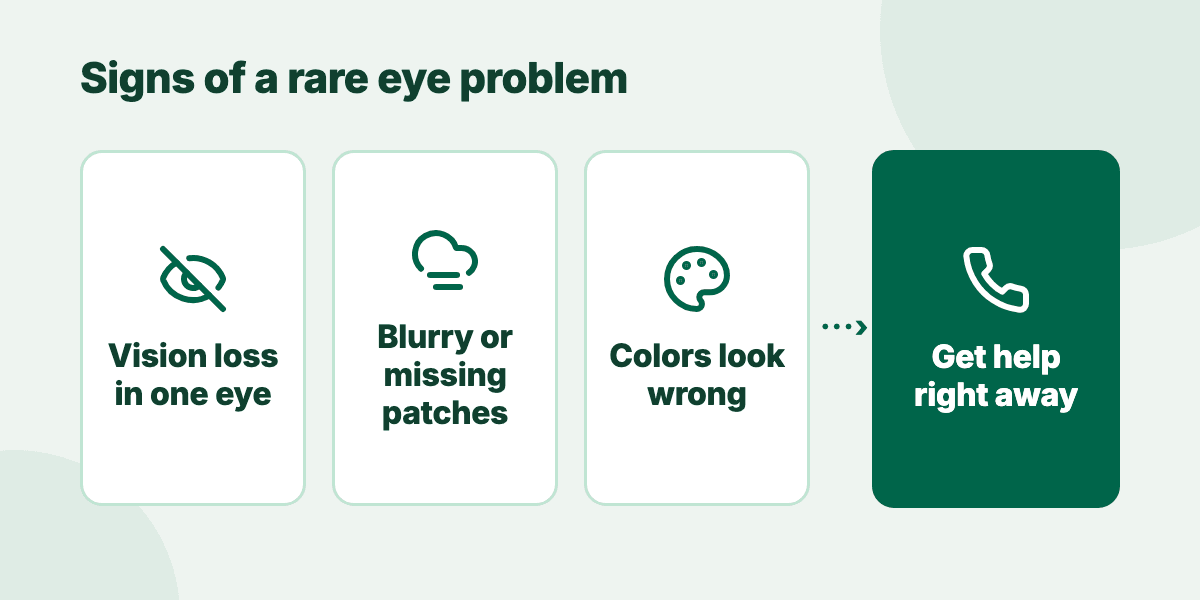
Signs: sudden, painless vision loss in one eye, which you may notice on waking. Blurry, hazy or missing patches, like blind spots or tunnel vision. Colors that look wrong.
Notice any? Contact your doctor or prescriber right away. Can't get through? Get emergency care.
Had NAION, or these signs? Ask your prescriber about staying on your medicine. The FDA isn't telling everyone to stop.
The UK's medicines regulator warned about one of them in February. It's checking the rest.
New to your medicine?
Queasy? Small bites and sips
Side effects are most likely in your first weeks and after a dose goes up. They usually ease once your dose is steady.
Some people get caught in a loop: nausea stops them eating, which makes the nausea worse.
A 2025 advisory from four US medical and nutrition groups suggests a small breakfast. Then have small meals every 3 to 4 hours, with something to drink.
Ginger or peppermint tea may help too. Large meals make vomiting more likely.
The labels add that drinking fluids lowers your chance of dehydration, which can lead to kidney problems.
Nausea, vomiting or diarrhea that won't go away? Tell your doctor, prescriber or pharmacist right away.
For a small appetite
Getting enough protein
When your appetite is small, getting enough protein can be hard. The same advisory makes it a priority, to help protect your muscle. Its ideas:
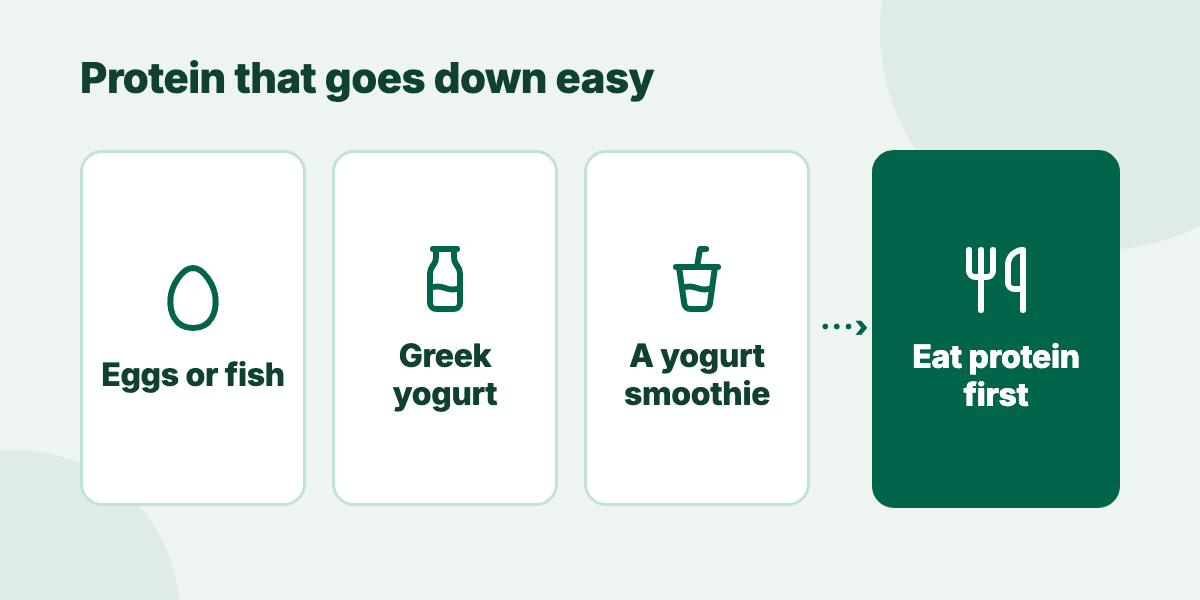
1. Eat the protein on your plate first.
2. Pick protein foods that don't take up much room: eggs, fish, Greek yogurt, cottage cheese or nut butter.
3. Try a smoothie made with milk or yogurt. It often goes down easier than a heavy meal.
4. On harder days, a protein shake can help.
Have kidney disease? Ask your doctor or a dietitian how much protein is right for you.
Keep your strength
Protect your muscle at home
Protein alone probably isn't enough to protect your muscle. The same advisory says to pair it with regular strength training.
US and UK health advice says all adults need strength moves on at least 2 days a week. For people on these medicines, the advisory aims for at least 3.
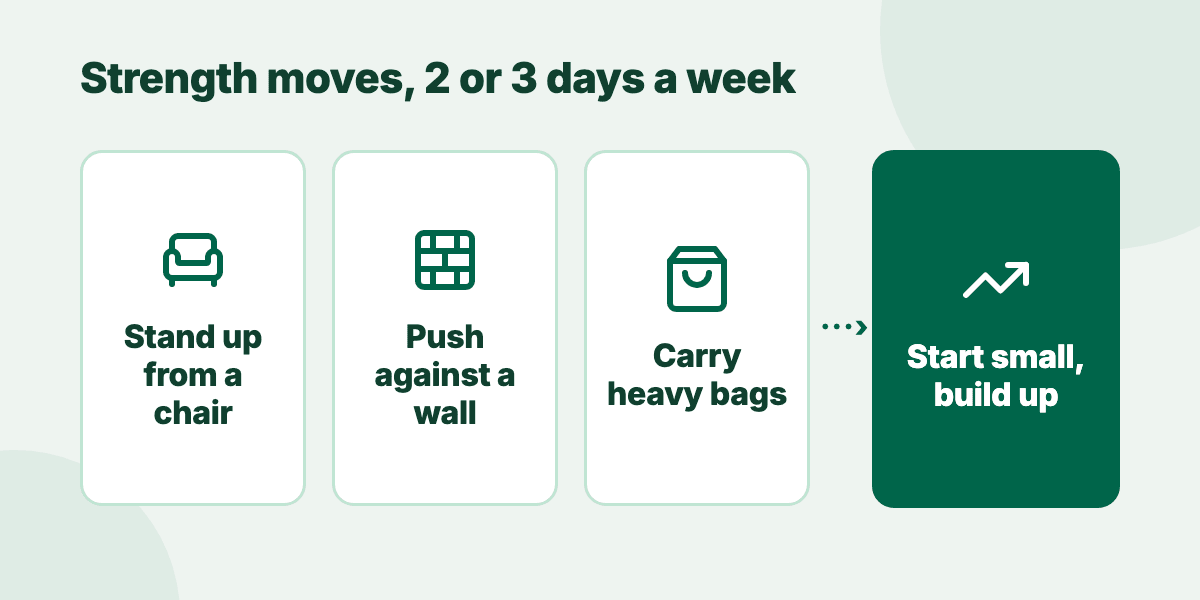
Stand up from a chair and sit back down. Do push-ups against a wall. Carry heavy shopping bags. Start small and build up.
New to exercise, or living with a health condition? Ask your doctor or prescriber what suits you. In treatment for an eating disorder? Your team's plan comes first.
That's it for this week. One quick question: on a day you're not hungry, what's one food that still goes down easy? Just reply with a word or two.
I read every reply. Please don't send medical details, though: I can't give medical advice.
Anna
View sources (9)
- FDA Drug Safety Communication on GLP-1 medicines and a rare eye condition (NAION), November 9, 2026
- GLP-1 medicines for weight loss and diabetes: what you need to know, MHRA (UK medicines regulator), updated February 5, 2026
- Nutritional priorities to support GLP-1 therapy for obesity, joint advisory from four US medical and nutrition groups, May 30, 2025 (free full text)
- FDA Medication Guide for one of these medicines, revised August 2026
- Healthy eating for adults with chronic kidney disease, NIDDK (US National Institutes of Health), last reviewed January 2025
- Top 10 things to know about the Physical Activity Guidelines for Americans, US Department of Health and Human Services, updated November 19, 2025
- Physical activity guidelines for adults aged 19 to 64, NHS (UK), last reviewed May 22, 2024
- Physical activity guidelines for older adults, NHS (UK), last reviewed August 15, 2024
- Strength exercises, NHS (UK), last reviewed February 28, 2024